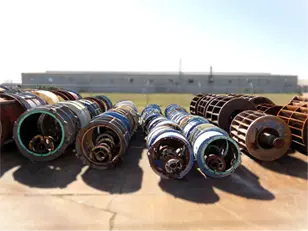
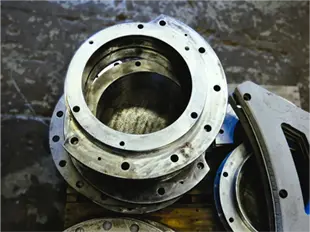
The damage is inside the pump. The cause may be in the way the system is asking the pump to operate.
1. Vapor bubbles form where pressure falls
When local pressure approaches the vapor pressure of the liquid, vapor pockets can form. When those pockets move into a region of higher pressure, they collapse and can release energy against nearby surfaces.
2. Damage pattern matters
Photograph the as-found condition and map where pitting or material loss appears. Compare it with evidence of corrosion, solids erosion, rubs or poor repairs so the scope does not treat every rough surface as the same failure mode.
3. Rebuild the operating margin
Review actual vacuum demand, seal-liquid temperature, discharge pressure, recirculation, startup sequence and control behavior. The goal is not simply to silence the pump; it is to prevent the condition that created damaging vapor collapse.
Technical references
General industrial guidance only. Qualified personnel should review equipment design, process conditions and site risk before changes.