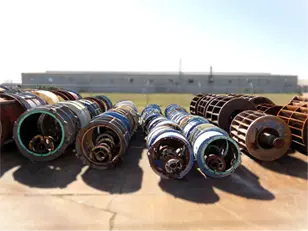
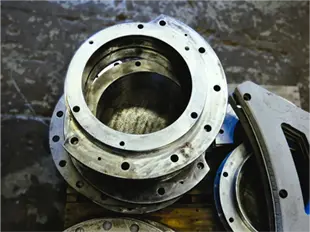
The right decision is not repair versus replacement in the abstract. It is which path protects this process, on this schedule, with this evidence.
1. Put repair and replacement on the same basis
Use the same required vacuum, capacity, gas composition, seal-liquid condition, discharge pressure, materials and operating range. Otherwise one option is being judged against today’s problem while the other is being judged against an old nameplate.
2. Price the outage path, not just the equipment
Include inspection time, parts exposure, freight, field modifications, alignment, controls, startup and the cost of waiting for missing decisions. A lower purchase price can lose when it creates more uncertainty around the outage.
3. Make recurring failure visible
If the same damage pattern returns, ask what changed outside the pump. Repairing the machine without addressing cavitation, backpressure, hot seal liquid, carryover or duty mismatch can purchase another repeat event.
4. Record the trigger that changes the answer
Define in advance which findings make repair unacceptable and which interface or performance gaps make replacement unacceptable. Decision triggers keep emotion and sunk cost from taking control after teardown.
Technical references
General industrial guidance only. Qualified personnel should review equipment design, process conditions and site risk before changes.